
What Defines a Historical Bar?
- ✓ Decades-old establishments
- ✓ Ties to local legends/events
- ✓ Unique historical architecture
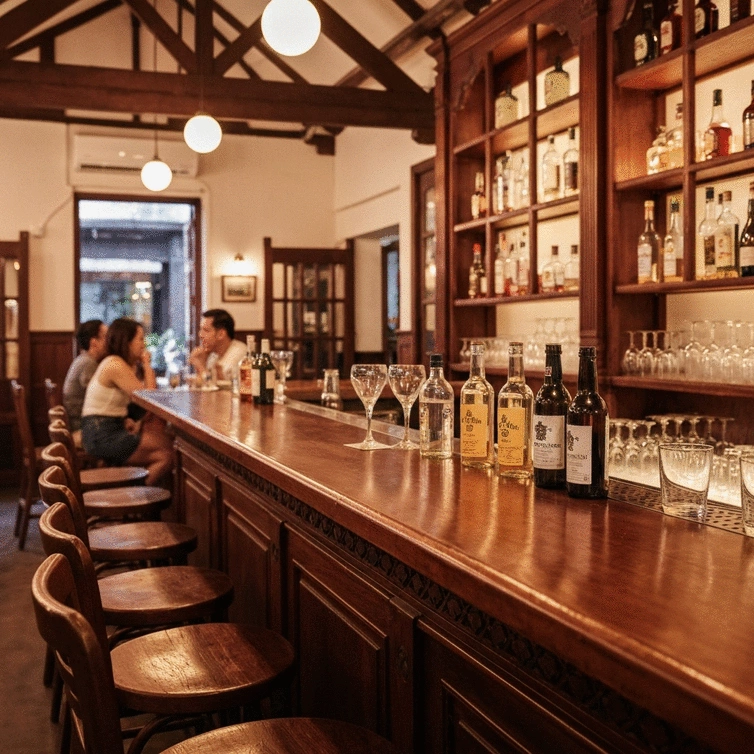
As you delve into the nightlife of Angeles City, you may not realize that each bar holds a story that reflects the culture and history of the region. How do these establishments shape our understanding of community and tradition? Let’s uncover the key lessons from the vibrant world of historical bars!
Delve into the characteristics that define a historical bar, their deep cultural significance in Kapampangan society, and their integral role in Philippine history.
Angeles City is a vibrant tapestry of culture, and one of the threads woven into its fabric is the rich history of its bars. But what exactly makes a bar historical? In this section, we'll explore the unique characteristics and stories that define these establishments, revealing their significance in both local culture and history.
A historical bar is not just a place to grab a drink; it embodies the history and evolution of the community around it. These bars often feature unique architectural styles, have been serving patrons for decades, and are repositories of countless stories and memories. Many of them have survived the test of time, adapting to changing societal norms while still holding onto their roots.
These elements come together to create a vibe that’s steeped in nostalgia, drawing both locals and tourists eager to experience a piece of history.
In Kapampangan culture, bars serve as more than just venues for nightlife; they are communal spaces where people gather to share stories, celebrate milestones, and enjoy the company of friends. Bars often host events that reflect the rich traditions of the region, from local music performances to food festivals featuring traditional Kapampangan dishes. The presence of historical bars also reflects the broader cultural landscape, including social issues that have affected the region, such as those sometimes highlighted in reports on human rights practices in the Philippines, as detailed by the U.S. Department of State.
This cultural significance highlights how bars contribute to the identity of Angeles City, making them integral to the fabric of Kapampangan society.
Angeles City has played a pivotal role in Philippine history, particularly during colonial times. Its strategic location made it a hub for trade and communication. The bars that sprouted during these periods became witnesses to pivotal historical moments, from the American colonial period to the changes brought about by World War II. Each bar has its own story to tell, reflecting the city’s transformation over the decades. Unfortunately, some establishments, including specific red-light district bars, have also been associated with issues like human trafficking, bringing to light the complex social challenges that have existed alongside cultural development.
As you explore Angeles City, you'll find that these historical bars are not just places to enjoy a drink; they are living museums, offering a glimpse into the past while inviting you to be part of the present!
What aspect of historical bars in Angeles City fascinates you the most? Is it the stories they hold, their unique architecture, or their role in preserving local culture? Share your thoughts below:
A bar is considered historical if it has been established for decades, possesses unique architectural styles, and holds significant stories or memories tied to local legends or historical events.
They serve as vital communal spaces for gathering, sharing stories, celebrating traditions, and showcasing local arts, music, and cuisine, thereby preserving and promoting Kapampangan identity.
Angeles City has been a pivotal location, especially during colonial times. Its historical bars have witnessed and evolved through major historical events, reflecting the city's transformation and resilience over decades.
Cultural tourism helps preserve local heritage, boosts the local economy through increased foot traffic and investments in restoration, and enhances community pride by raising awareness and appreciation for these unique establishments.
They host events that bring locals together, encourage the sharing of stories and anecdotes, and participate in cultural festivals, strengthening community bonds and promoting a sense of shared heritage.
As we immerse ourselves in the vibrant nightlife of Angeles City, it's crucial to reflect on the importance of historical bars to our local identity. These establishments are not just places to grab a drink; they are living museums that tell the stories of our past. When you step into a historical bar, you’re stepping into a piece of our heritage, where each drink holds the weight of tradition and every corner echoes with the laughter and conversations of generations.
Each bar has its unique narrative, contributing to a broader understanding of Kapampangan culture and history. Engaging with these bars helps us appreciate not only the drinks we enjoy but also the stories behind them. Have you ever felt the connection to a place through its history? That’s the magic of these cultural experiences!
The significance of historical bars extends beyond mere entertainment; they are woven into the fabric of our community. Here are a few reasons why they matter:
Engaging with these venues allows us to celebrate our identity and share it with others. When you visit a bar steeped in history, you're not just enjoying a drink; you're partaking in a cultural exchange that enriches everyone involved.
Cultural tourism is vital to keeping our heritage alive. By exploring Angeles City's historical bars, we play an essential role in supporting their preservation. Here’s how tourism can foster cultural preservation:
Every sip taken in a historical bar is a reminder of our duty to protect these treasures. By choosing to visit, you’re standing in solidarity with those who work tirelessly to keep our stories alive.
Experiencing the nightlife in Angeles City fosters a deep connection among community members. Here’s how cultural experiences through bars can enhance community engagement:
As a nightlife enthusiast, I can't stress enough how important these connections are. Each night out becomes a journey through our culture, where laughter, music, and storytelling remind us of our shared heritage.
Here is a quick recap of the important points discussed in the article:
Bar Nana: Vibes, Drinks, Experiences

As the night unfolds in Angeles City, the energy at Bar Nana captivates both locals and visitors. Wi
Common Nightlife Mistakes in Angeles
As the sun sets in Angeles City, the vibrant nightlife scene begins to unfold, beckoning you to expl
Discover Angeles City's Unique Nightlife
As the sun sets, Angeles City reveals a nightlife experience that transcends the ordinary. From hidd

Bar Nana: Vibes, Drinks, Experiences
Common Nightlife Mistakes in Angeles
Discover Angeles City's Unique Nightlife
Exploring Angeles City and Manila Nightlife
Dollhouse Bar Angeles City Insights